The single most common question we field from out-of-state buyers is not about neighborhoods or schools. It is about money. "What does it actually cost to live in Idaho Falls?" People moving from California or the Wasatch Front have been quoted Idaho's low cost of living for years, but they want actual numbers. This one is built from 2026 cost-of-living data, local utility and tax figures, and what our own clients report after they land. All figures below are approximate and meant for planning, not as a guarantee.
The short answer: Idaho Falls is genuinely affordable
Idaho Falls consistently lands well below the national average on cost-of-living indexes. The overall cost of living runs roughly 17% below the U.S. average, and the category doing most of that work is housing, which sits about 41% below the national average. That housing gap is the whole story for relocators, it's what turns a normal salary into a comfortable one here.
Translated into a monthly budget, a single person needs around $2,140 per month to live reasonably, and a family of four needs around $4,670 per month before any unusual debt or luxury spending. Those are working baseline numbers, not ramen-and-roommates survival, and not a paid-off-mortgage retiree either. They assume a modest mortgage or rent, a paid car, normal groceries, and some discretionary spending.
Quick snapshot (2026, approximate): Overall cost of living ~17% below U.S. average · Housing ~41% below average · Median home price ~$415K · Single person ~$2,140/mo · Family of four ~$4,670/mo. Idaho Falls is cheaper than Boise, Salt Lake City, and nearly every California metro.
Idaho Falls vs. California and Salt Lake City
Numbers in isolation don't mean much. The reason people move here is the gap, so here's how Idaho Falls stacks up against the markets our relocating buyers are actually leaving. These are approximate 2026 figures for a typical household; your exact numbers will vary by lifestyle and home choice.
| Category | Idaho Falls, ID | Los Angeles, CA | San Francisco, CA | Salt Lake City, UT |
|---|---|---|---|---|
| Median home price | ~$415K | ~$960K | ~$1.3M | ~$560K |
| Rent (2-bed, monthly) | ~$1,300 | ~$2,950 | ~$3,600 | ~$1,800 |
| Groceries (vs. US avg) | ~5% below | ~10% above | ~25% above | ~3% below |
| Gas (per gallon) | ~$3.50 | ~$4.80 | ~$5.00 | ~$3.70 |
| Top state income tax | 5.8% flat | up to 13.3% | up to 13.3% | 4.55% flat |
| Effective property tax | ~0.6–0.7% | ~0.75% | ~0.75% | ~0.57% |
The headline is housing. A median Idaho Falls home costs less than half of Los Angeles and less than a third of San Francisco. Even against Salt Lake City, a market many Idaho buyers consider, Idaho Falls runs roughly $145,000 cheaper on the median home, with rent that's about $500 a month lower. For a fuller breakdown of leaving California specifically, see our California to Idaho Falls relocation guide.
Housing costs in detail
Housing is where you'll feel the affordability most, so it's worth going deeper. The median home price across the Idaho Falls metro sits around $415K in 2026, but that number hides a lot of range depending on which city you choose.
Buying, by city
- Idaho Falls (city proper): ~$400K–$440K median. Established neighborhoods, greenbelt access, and the widest selection.
- Ammon: ~$420K–$470K median. Slightly higher because of the in-demand Bonneville D93 schools and newer construction.
- Rexburg: ~$360K–$400K median. College-town pricing with strong rental demand near BYU-Idaho.
- Shelley: ~$340K–$390K median. One of the most affordable doorsteps to Idaho Falls, ~15 minutes south.
- Rigby & Ammon outskirts: ~$380K–$430K. More land for the money, popular with buyers wanting acreage.
If your budget is tight, the smaller surrounding cities, Shelley, Rexburg, and parts of Rigby: consistently come in below the metro median while keeping you inside an easy commute. Buyers who can flex on location often save $40,000–$70,000 versus a comparable home in central Ammon. Curious what your own home is worth before you buy and sell? Run a free home valuation.
Renting
Renting in Idaho Falls is similarly gentle. A typical two-bedroom apartment runs ~$1,200–$1,450 per month, and a three-bedroom single-family rental usually lands between $1,500 and $1,950. Compared with $2,950+ for the same two-bedroom in Los Angeles, the difference funds a lot of skiing. The main caveat is supply, vacancy is tight, especially near BYU-Idaho in Rexburg, so plan your search a few weeks ahead.
Taxes: where Idaho quietly wins
Taxes are an underrated piece of the affordability picture, and Idaho is friendlier than most relocators expect.
- State income tax: Idaho uses a flat 5.8% rate as of 2026. That's well below California's top marginal rate of 13.3%. For a household earning $150K, that difference alone can be worth several thousand dollars a year.
- No local income tax surprises: Idaho Falls, Ammon, and the surrounding cities do not levy a separate city or county income tax. The state rate is what you pay, no hidden municipal add-on the way some metros bolt on.
- Property tax: Effective rates in the Idaho Falls area run roughly 0.6%–0.7% of home value, and Idaho's homeowner's exemption shields a meaningful chunk of your primary residence's value from taxation. On a $415K home, that typically pencils out to roughly $2,500–$2,900 a year.
- Sales tax: 6% statewide, with a small local option in some areas. Groceries are taxed, but Idaho offers a grocery tax credit that offsets part of it.
For California transplants in particular, the combination of a flat 5.8% income tax and sub-0.7% property tax is a structural change in monthly cash flow, not a rounding error.
Jobs and the local economy
Affordability only matters if you can earn here, and Idaho Falls has a more diversified economy than its size suggests. The metro is anchored by a handful of major employers:
- Idaho National Laboratory (INL): the region's largest employer, with roughly 6,000 direct jobs and a much larger supply chain. Engineering, nuclear research, physics, materials science, and cybersecurity roles pay competitive salaries and are expanding through the decade.
- Healthcare: Eastern Idaho Regional Medical Center (EIRMC), a Level II trauma center, plus Mountain View Hospital, together employ thousands across nursing, physician, and technician roles.
- Education: BYU-Idaho in nearby Rexburg is a major regional employer and economic engine, alongside local school districts and the College of Eastern Idaho.
- Other sectors: Melaleuca (a large corporate headquarters), agriculture, retail, government, and a fast-growing cohort of remote workers who keep big-city salaries while paying Idaho Falls prices.
Unemployment in the area has stayed low, typically under 3.5%, and the INL expansion continues to pull in skilled professionals from higher-cost states.
Lifestyle value: what your money actually buys
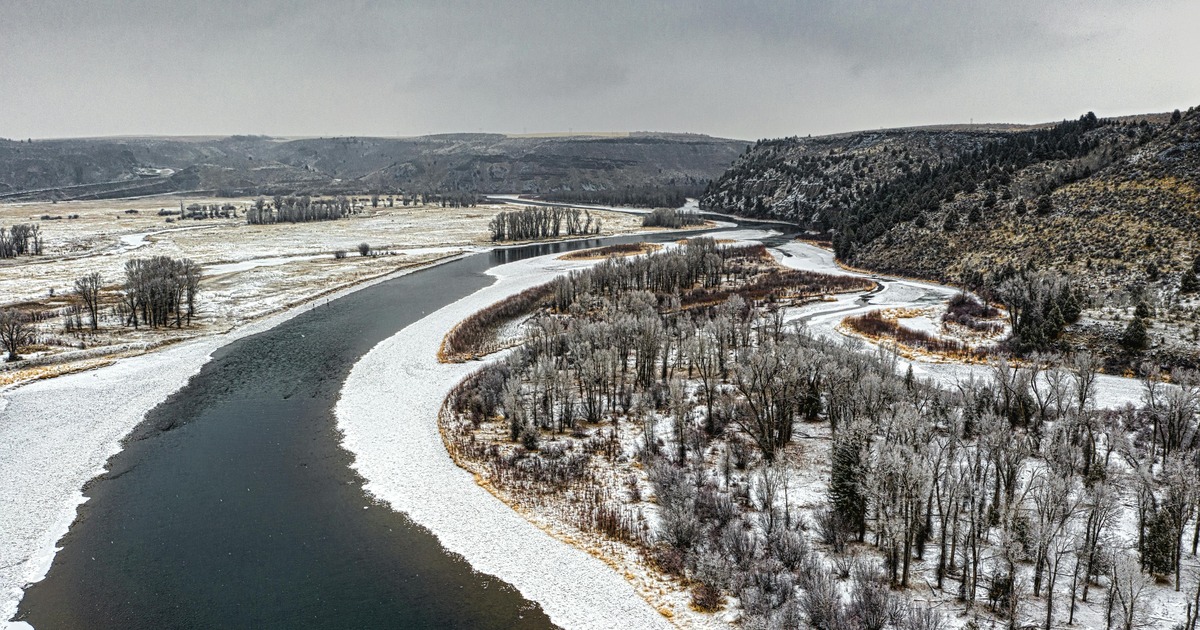
The dollars-and-cents comparison undersells the move, because affordability here comes bundled with a lifestyle that costs a fortune to access elsewhere. Idaho Falls sits on the Snake River, with a walkable greenbelt and the city's namesake waterfalls running right through downtown. Within a short drive you have world-class fly fishing on the South Fork and Henry's Fork, skiing at Kelly Canyon and Grand Targhee, and the gateway to Island Park, Yellowstone, and Grand Teton roughly 90 minutes away.
None of that recreation requires a plane ticket or a resort budget, it's a weekend, sometimes an after-work evening. When relocators tally up the cost of living, they often forget to credit the value of waking up 90 minutes from a national park. For many of our buyers, that intangible is the real reason the numbers feel even better than the spreadsheet says.
Thinking about retirement specifically? The affordability math gets even stronger when you're on a fixed income, see our guide on retiring in Idaho Falls.
So, is Idaho Falls affordable?
Yes, clearly and measurably. With a cost of living about 17% below the national average, housing 41% below, no local income tax surprises, and property taxes under 0.7%, Idaho Falls delivers a quality of life that costs dramatically more in California or even on the Wasatch Front. The trade-offs are real (cold winters, regional-hub amenities, a tight rental market), but on pure affordability, few comparable cities in the West come close. If you're weighing the move, our broader relocation guide to Idaho Falls and our Idaho Falls area page go deeper on neighborhoods, schools, and daily life.
Frequently Asked Questions
Is Idaho Falls expensive to live in?
No. Idaho Falls runs roughly 17% below the U.S. average cost of living, with housing about 41% below average. A single person needs around $2,140/mo and a family of four around $4,670/mo (approximate, 2026), with a median home near $415K. It's cheaper than Boise, Salt Lake City, and nearly every California metro.
How much money do you need to live in Idaho Falls?
As an approximate 2026 budget, a single person needs about $2,140/mo (~$25,700/yr) and a family of four about $4,670/mo (~$56,000/yr). To comfortably own a median $415K home with 10–20% down, plan on roughly $90,000–$110,000 household income. Renters need less. A typical 2-bed runs ~$1,200–$1,450/mo.
Is it cheaper to live in Idaho Falls than California?
Yes, significantly, roughly 40–55% cheaper overall. The biggest gap is housing: ~$415K median in Idaho Falls vs. $700K+ in Los Angeles and well over $1M in San Francisco. Idaho's flat 5.8% income tax is far below California's top 13.3% rate, and gas and electricity are cheaper too.
What is a good salary in Idaho Falls?
Approximately $65,000–$80,000 lets a single person live comfortably and save; roughly $95,000–$120,000 lets a family of four own a home and build savings. Because the cost of living is ~17% below the national average, a $90,000 Idaho Falls salary often delivers a lifestyle that requires $130,000+ in higher-cost metros.
Run your own numbers with a local expert
Cost-of-living averages are a starting point, your real budget depends on the home you choose and the city you land in. We offer a free, no-obligation consultation where we'll map your specific numbers: target neighborhoods, current home value, and a realistic monthly picture for Idaho Falls. Text or call Grant directly at (208) 499-4016 or email [email protected].
Ready to Make Your Move in Southeast Idaho?
Numbers on a page only go so far. Call us and we will walk you through what a month here actually costs at your income.
Search All SE Idaho Homes