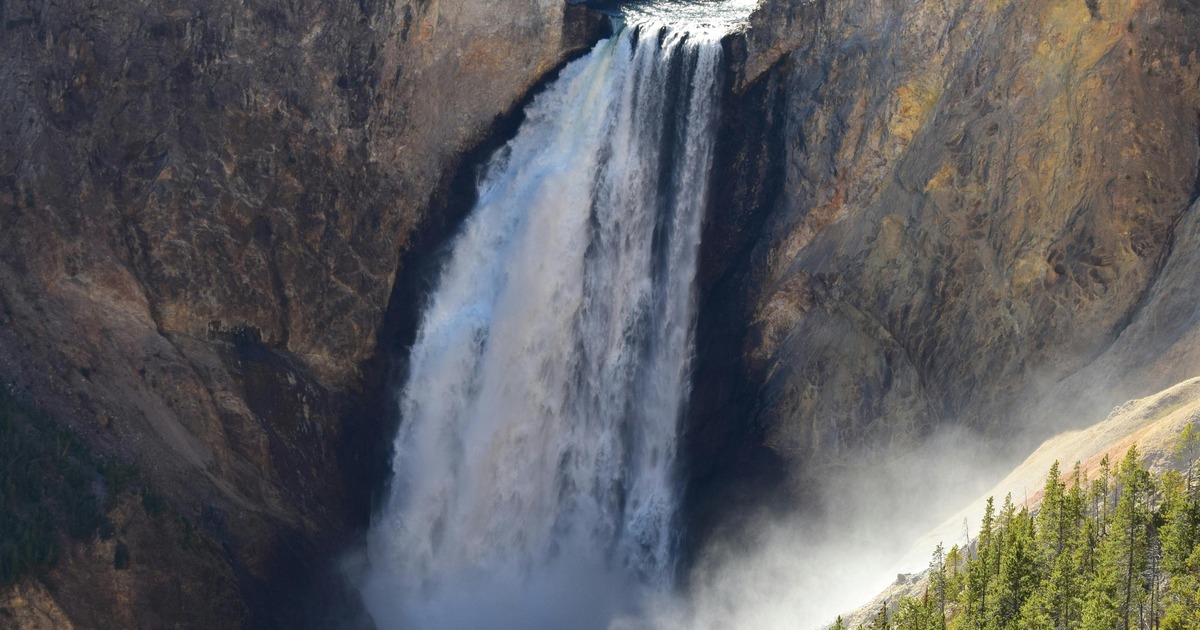
Island Park, Idaho is one of the most spectacular places to own property in the American West. It sits along the Henry's Fork of the Snake River with Yellowstone National Park minutes away, and it draws buyers who want a retreat that delivers world-class fly fishing, snowmobiling, wildlife viewing, and pure mountain air.
Why Buy in Island Park?
Current Market Snapshot
30-Year Fixed Rate: ~6.65%
15-Year Fixed Rate: ~5.89%
National Median Home Price: ~$420,400
Source: Federal Reserve (FRED) · Updated March 2026
The case for Island Park property is straightforward: scarcity and lifestyle. The area is surrounded by national forest and wilderness, which limits development and protects long-term value. Buyers who establish themselves here early tend to see strong appreciation while enjoying decades of unrivaled access to some of Idaho's best outdoor recreation.
The Henry's Fork of the Snake River is legendary in fly fishing circles worldwide. Yellowstone and Grand Teton National Parks are a short drive away. In winter, the area becomes one of the premier snowmobile destinations in the country, with hundreds of miles of groomed trails.
Where you buy changes what you own
Island Park is not one market. Its "main street" runs roughly 33 miles along US-20, and a cabin at one end has almost nothing in common with a cabin at the other. Before you look at a single listing, it helps to know which stretch you are shopping.
- Last Chance and Harriman area: the fly fishing heart of Island Park, sitting on the most famous water on the Henry's Fork. Riverfront here carries the highest premium in the entire corridor, and it rarely comes to market. Buyers are usually anglers first and everything else second.
- Macks Inn and Big Springs: the most established cabin density, with a mix of older family cabins and newer builds. Good year-round access relative to the rest of the area, which makes it one of the easier places to own if you want to use the place in February.
- Island Park Village and Ponds Lodge area: more amenity-driven, with condo and townhome product alongside cabins. This is where buyers who want less maintenance tend to land, and where short-term rental turnover is heaviest.
- Henry's Lake and Shotgun Valley: bigger lots, bigger views, more wind and more weather. Strong for people who want space and are comfortable with a more remote setup.
- Sawtelle and the higher elevations: closest to the snowmobile trail system, spectacular in summer, and the most seriously affected by snow load and winter access.
Price bands run from roughly $150,000 for a small seasonal cabin on a modest lot to well past $2 million for improved riverfront. The middle of the market, a winterized three-bedroom cabin with decent access, generally trades in the mid-$500s to low-$800s depending on frontage and condition.
Seasonal versus year-round, the distinction that costs people money
This is the single most common thing buyers get wrong. A property listed as a cabin may be any of three very different things, and the difference affects your financing, your insurance, your utility bills, and whether you can get to it in January.
Fully winterized four-season homes have proper insulation, a heat source rated for sustained subzero temperatures, freeze protection on the plumbing, and a road that gets plowed. You can use these year round and finance them like any other second home.
Seasonal cabins are typically uninsulated or lightly insulated, have water systems that must be drained and blown out each fall, and often sit on roads that are not plowed after the first heavy snow. They are wonderful from June through September and inaccessible for much of the rest of the year without a snowmobile.
The in-between properties are the tricky ones. A cabin may be insulated well enough to hold heat but sit on an unplowed road, or have plowed access but a water system nobody has winterized properly in a decade. Ask specifically: is it insulated, is the water system freeze-protected, who plows the road, and what does that cost.
Ask this question on every showing: "Can you drive to this property on January 15th?" The answer is not obvious from photos, and plenty of listings imply year-round use that the road situation does not actually support. In much of Island Park, winter access means parking at a plowed lot and taking a snowmobile the last stretch, which is a fine way to own a cabin as long as you knew that going in.
Utilities and systems: what due diligence actually looks like here
Almost nothing in Island Park is on municipal service. Plan on the following:
- Well: get the flow rate tested and pull the well log. Shallow wells at elevation can struggle in late summer, and replacing one is a five-figure problem.
- Septic: have the tank pumped and the drainfield inspected, not just visually checked. Fremont County records will tell you when the system was permitted, and a system installed before modern standards may not support the bedroom count the listing advertises.
- Propane: most heat here is propane. Confirm whether the tank is owned or leased, because a leased tank ties you to a supplier and an owned tank is an asset that should be reflected in the deal.
- Power: verify service is actually to the structure rather than to the lot line. On raw land and some older cabins, "power available" can mean a very expensive trench.
- Roof and snow load: this area gets serious snow. Look at the roof pitch, the condition of the structure, and whether anyone has been maintaining it. Deferred roof maintenance at 6,300 feet compounds fast.
Financing a recreational property
Cabin financing is not the same as financing a primary residence, and the differences catch people off guard.
A second home on a conventional loan generally needs at least 10 percent down, and lenders will want it to be a property you can occupy year round. If the cabin is seasonal, uninsulated, or lacks a permanent heat source, many conventional lenders will decline it outright. That is when a local portfolio lender becomes the answer, and it is one of the reasons we push buyers toward lenders who actually work this corridor.
If you intend to rent it out, you are in investment property territory: expect 15 to 25 percent down and a higher rate. Be straight with your lender about your intentions up front, because occupancy misrepresentation is the kind of problem that surfaces later and is expensive to unwind.
Raw land is its own category, usually 20 to 35 percent down on shorter terms. And unique construction, full log builds especially, can create appraisal headaches because comparable sales are thin. Build extra time into your contract for that.
Insurance is a real line item, not a formality
Get an insurance quote during your inspection period rather than after. Island Park premiums run meaningfully higher than Idaho Falls for three reasons: wildfire exposure scoring, distance from a staffed fire station, and vacancy. Many carriers treat a property that sits empty for weeks at a time differently, and some policies carry vacancy clauses that quietly limit coverage. If you plan to rent the place out, you need a policy written for short-term rental use, because a standard second-home policy generally will not cover a paying guest.
Short-term rental economics, honestly
Island Park has genuine short-term rental demand, and it is unusual in that it has two real seasons rather than one. Summer brings Yellowstone traffic and anglers. Winter brings snowmobilers, and that season is a serious economic driver here rather than an afterthought.
The trap is underwriting a cabin on summer numbers alone. The properties that perform are the ones that can rent in both seasons, which means winterized, plowed, and close to trail access. A seasonal cabin on an unplowed road can be a wonderful family place and a poor rental, and those are two different purchases.
Underwrite the carrying costs you will pay whether or not anyone books: propane through a long winter, plowing, insurance, property management if you are not local, and maintenance that runs higher than a valley home because of the weather. Then check current Fremont County and any applicable HOA rules on short-term rental, because covenant restrictions vary from one subdivision to the next and a rental restriction discovered after closing is not a fixable problem.
What we would tell you before you write an offer
Buy for how you will actually use it. The most common regret we see is someone buying a summer cabin because they toured it in July, then realizing they wanted a place they could get to at Christmas. The second most common is buying a rental pro forma rather than a property, and discovering the winter numbers were assumed rather than verified.
Give yourself a real inspection period. Between well, septic, roof, and access, there is more to verify here than on a typical home purchase, and some of it takes time to schedule at elevation.
Finally, walk the property line. Lot boundaries up here are frequently not where people assume, forest service land borders a lot of these parcels, and the shed or the dock that looks like it conveys sometimes sits on someone else's ground.
Ready to Make Your Move in Southeast Idaho?
Island Park has two very different ways to own. Call us and we will tell you which one matches how you would actually use it.
Search All SE Idaho Homes