After California, Utah plates are the ones we see most in our relocating buyers' driveways. The profile is remarkably consistent: a household in Lehi, Herriman, or Kaysville watching the Wasatch Front get more expensive and more crowded every year, wondering why they're paying $560K-metro prices to sit in I-15 traffic. Idaho Falls is 210 miles north and roughly $145,000 cheaper on the median home. This guide works through that math honestly, what you actually gain, what you genuinely give up, and where Salt Lake transplants land when they get here.
Why Wasatch Front households are moving north
Three forces show up in nearly every conversation we have with Utah buyers.
The housing gap. The Salt Lake City metro median sits around $560K in 2026; the Idaho Falls metro median is about $415K. Same Intermountain West, same mountain backdrop, same kind of four-bed family home, for $145,000 less. In practice the gap is often wider than the medians suggest, because that $415K in Idaho Falls frequently buys newer construction on a bigger lot than the equivalent Wasatch Front listing.
Traffic and density. The Wasatch Front is home to well over two million people funneled into a narrow bench between mountains and lake, and the I-15 corridor shows it, Silicon Slopes growth turned Point of the Mountain into a daily bottleneck. Idaho Falls is a metro of roughly 150,000 where a "long commute" means fifteen minutes. You feel the difference in the first week.
Pace. This one is harder to quantify, but it's the reason people stay. Idaho Falls runs at regional-hub speed, not boomtown speed. Schools, sports, the Snake River greenbelt, daily life is close, uncrowded, and legible. Buyers who grew up along the Wasatch Front twenty years ago tell us it feels like the Utah they remember.
Salt Lake City vs. Idaho Falls: the real cost math
Here's the side-by-side, using approximate 2026 figures. Your exact numbers will vary by household, but the shape of the comparison won't.
| Category | Idaho Falls, ID | Salt Lake City, UT |
|---|---|---|
| Median home price | ~$415K | ~$560K |
| Rent (2-bed, monthly) | ~$1,300 | ~$1,800 |
| State income tax | 5.8% flat | 4.55% flat |
| Effective property tax | ~0.6–0.7% | ~0.57% |
| Groceries (vs. US avg) | ~5% below | ~3% below |
| Gas (per gallon) | ~$3.50 | ~$3.70 |
| Typical commute | 10–15 min | 25–40+ min on the I-15 corridor |
The honest read: taxes are close to a wash. Utah's 4.55% flat income tax slightly beats Idaho's 5.8%, and property tax rates are comparable. Groceries and gas are near-identical. If someone tells you Idaho is a tax haven compared to Utah, they haven't done the math.
Housing is the entire story, and it's a big story. A $145K smaller mortgage at current rates is roughly $900–$1,000 a month back in your pocket, every month, before you count the lower insurance and the newer roof. Renters see about $500 a month on a two-bedroom. For the full line-item breakdown, see our Idaho Falls cost of living guide.
What you keep
Most relocation guides dwell on what changes. For Wasatch Front buyers, the more surprising list is what doesn't.
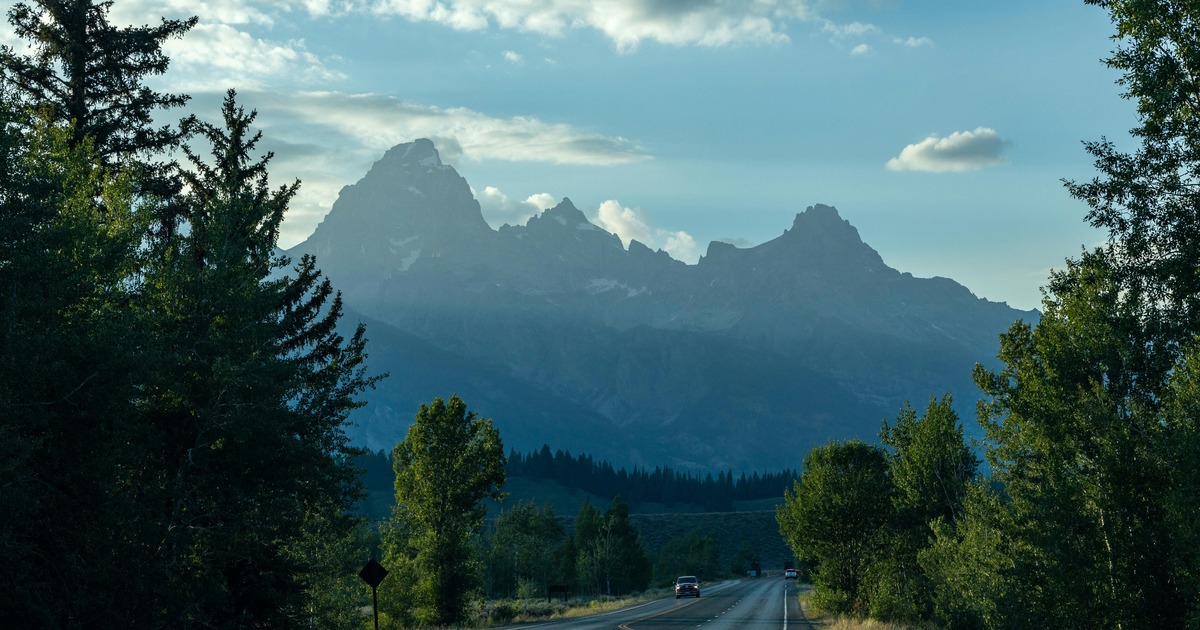
The mountains. You trade the Wasatch for the Tetons and the Snake River plain. Kelly Canyon is 30 minutes out, Grand Targhee about 90, and Yellowstone's west side is a morning drive. World-class fly fishing on the Henry's Fork and South Fork replaces the Cottonwood canyons as your default Saturday. It's a different flavor of the same outdoor life, quieter, with no canyon traffic line.
The drive back. This is the quiet advantage over every coastal relocation we handle: Salt Lake City is about 3 hours straight down I-15. Family visits, holidays, a Delta hub at SLC International, even a Jazz game. All of it stays in day-trip range. Idaho Falls Regional Airport connects through SLC and Denver when you'd rather fly.
What changes
Winter gets colder. The average January low in Idaho Falls is around 13°F, meaningfully colder than Salt Lake's, with 30–40 inches of snow annually. The trade: the air is dry, the skies are sunnier, and there's no inversion parking a gray lid of smog over the valley for weeks. Plenty of transplants tell us January here feels better than January on the Wasatch Front, even at lower temperatures.
The metro shrinks. Idaho Falls is ~65,000 people in the city, ~150,000 in the metro. Dining and retail are regional-hub scale, good, not abundant. There's no Silicon Slopes scene, no big-league sports, and downtown is small but genuinely revitalizing. If your happiness depends on metropolitan density, be honest with yourself before you commit.
The job market is different, in a specific way. The economy here is anchored by the Idaho National Laboratory (roughly 6,000 direct jobs and 20,000+ across the supply chain in engineering, nuclear research, and cybersecurity) and healthcare (EIRMC, a Level II trauma center, plus Mountain View Hospital), with Melaleuca's headquarters and unemployment consistently under 3.5%. What it doesn't have is Utah's tech and finance depth. If that's your field, remote work is the path, gigabit fiber is standard in most Ammon subdivisions and much of Idaho Falls, and because you're staying in Mountain Time, a remote Salt Lake job carries zero schedule friction. Some households even keep one foot in Utah, driving down for periodic in-person days.
Where Salt Lake City transplants buy
Patterns from the Utah buyers we've closed, by profile:
New-construction buyers leaving Lehi, Herriman, or Daybreak
Top pick: Ammon Taylor Crossing, Sandcreek Commons, and the newer subdivisions ($410K–$620K). Bonneville District 93 schools test among the region's best, the construction is new, and the neighborhood feel is the closest match to a master-planned Utah suburb, minus the density.
Move-up buyers cashing out Wasatch Front equity
Top pick: NE Idaho Falls ($450K–$750K), established streets, mature trees, and walkable access to the Snake River greenbelt and the hospitals. Sellers leaving a $600K–$700K Utah home often land here with a dramatically smaller mortgage, or none at all.
Buyers who want land
Top picks: Iona and Ucon ($380K–$600K), acreage and animal rights while keeping D93 schools, fifteen minutes from town. This is the "why we actually left Utah" purchase: space you simply can't buy on the Wasatch Front anymore.
Budget-first buyers
Top picks: Shelley and Rigby: consistently $40K–$70K below the metro median, 15–20 minutes out. A common first move for Utah buyers getting into their first home years earlier than they could down south.
For the deeper block-by-block breakdown, read our guide to the best neighborhoods in Idaho Falls, or browse current listings to calibrate prices against what you're seeing in Utah.
How to buy from Salt Lake City
This is the easiest remote purchase we do, because you're three hours away instead of a flight away. Our process:
- Relocation call: priorities, budget, timeline, and which side of the metro fits your profile.
- Targeted MLS alerts matched to your criteria.
- In-house cinematic video and FPV drone tours for every serious contender. We produce all our media in-house, the same production engine behind our million-plus monthly views, so you see a house the way it really is before you ever drive up, not the wide-angle listing-photo version.
- One Saturday tour day: most Utah buyers drive up, see their shortlist in person, and drive home the same night.
- Offer through closing: inspection, appraisal, and signing coordinated so your trips north stay minimal.
Most Salt Lake-to-Idaho Falls moves run 45–90 days from first call to keys. Between us, Rick and I have closed 1,000+ homes and over $500M in career volume in this market. We know which streets flood-irrigate, which subdivisions have the fiber, and which listings photograph better than they live.
Local tip: Wasatch Front sellers usually carry serious equity. Selling in Utah and buying here often means cutting your mortgage in half, or paying cash outright at the $415K–$500K level. Run both scenarios before you assume you need a contingent offer.
Frequently Asked Questions
How much cheaper is Idaho Falls than Salt Lake City?
The median home gap is roughly $145,000, ~$560K SLC metro vs. ~$415K Idaho Falls (2026, approximate). Rent runs about $500/month lower on a two-bedroom. Groceries and gas are similar, and taxes are close to a wash, Utah's 4.55% flat income tax slightly beats Idaho's 5.8%, with comparable property taxes. Housing is where the savings live.
How far is Idaho Falls from Salt Lake City?
About 210 miles, roughly 3 hours straight up I-15. Family visits, Wasatch ski weekends, and flights out of SLC International all stay within day-trip range, and Idaho Falls Regional Airport connects through SLC and Denver.
Can I keep my Salt Lake City job and work remotely from Idaho Falls?
In most cases, yes. Same Mountain Time zone means zero schedule friction, and gigabit fiber is available in most Ammon subdivisions and much of Idaho Falls. Some households keep one foot in Utah with periodic in-person days, a 3-hour drive. Verify your employer's remote policy before committing.
Start your move north
If the Wasatch Front math has stopped working for your family, the next step is a straightforward conversation, your equity, your timeline, and which Idaho Falls submarket fits. Start with our complete relocating to Idaho Falls guide, then reach out when you're ready to talk specifics.
Text or call Grant Smith at (208) 499-4016 or Rick Robinson, Broker, at (208) 360-4688, or email [email protected]. Our office is at 15 E Main St, Rexburg, ID 83440. Already own in Southeast Idaho? Get a free home valuation in minutes.
Ready to Make Your Move in Southeast Idaho?
We work both sides of this move every week. Call us and we will give you a straight comparison of what your Wasatch Front equity buys up here.
Search All SE Idaho Homes